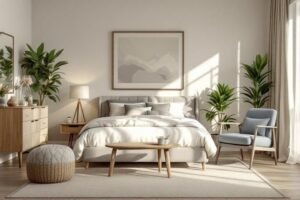
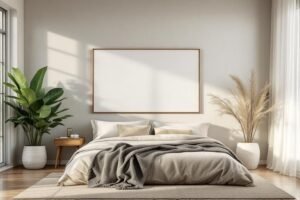
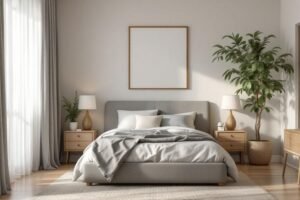
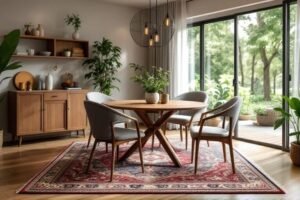
Feeling cramped in your small room? You’re not alone. Many homeowners struggle with the challenge of limited space, but there are effective strategies to make a small room look bigger. As an expert in interior design and spatial dynamics, I’ve seen how simple changes in color, layout, and decor can transform a confined space into an open and airy retreat. In this article, you’ll discover practical tips and techniques that will help you create the illusion of space, from choosing the right color palette to optimizing furniture placement. Whether you’re looking to revamp a bedroom, living room, or any compact area, these insights will guide you towards achieving a more spacious and inviting atmosphere.
Understanding Visual Perception in Small Spaces
The perception of space often hinges on visual cues. Small rooms can feel cramped, but understanding how to manipulate these cues can enhance openness. Light, color, and layout are critical elements. When designing a small room, focus on maximizing natural light and using colors that reflect light. Lighter shades create an airy feel, while strategic furniture placement can enhance flow. By recognizing how the mind interprets space, you can implement techniques that visually expand your environment.
The Role of Light
Natural light is a powerful tool in making a room feel larger. Use sheer curtains to allow maximum sunlight and consider mirrors to reflect that light. The more light that fills a room, the more spacious it appears. Position mirrors across from windows for optimal effect.
Color Choices
Light colors on walls and floors create an illusion of space. Shades of white, pastels, or soft neutrals can visually lift the ceiling, while darker colors tend to close in a room. Consider painting the ceiling a lighter shade than the walls to enhance the feeling of height.
Furniture Arrangement
Arranging furniture thoughtfully is crucial. Avoid heavy, bulky pieces that dominate the space. Instead, opt for multi-functional furniture that offers storage without crowding the room. Arrange furniture to create clear pathways, which helps in maintaining an open feel.
Key Points:
- Light, color, and layout significantly affect perception of space
- Strategic use of mirrors can amplify natural light and create depth
💡 Utilize natural light to enhance openness
💡 Choose lighter colors for walls and furnishings
💡 Opt for multi-functional furniture to maximize space
Effective Design Strategies to Create the Illusion of Space
To further enhance the perception of space, consider various design strategies. The right decor can transform a small room into a visually appealing area. Use vertical lines to draw the eye upward, creating the illusion of height. Additionally, incorporating open shelving rather than bulky cabinets can maintain a sense of openness. Pay attention to decorative elements, as clutter can shrink the perceived size of a room.
Vertical Lines and Patterns
Incorporating vertical stripes in wallpaper or decor can give the illusion of taller walls. This technique draws the eye upwards, making the room feel more expansive. Use tall bookshelves or vertical artwork to emphasize this effect.
Open Shelving vs. Bulky Furniture
Open shelving allows for storage without overwhelming a room. It creates visual space, as it doesn’t block sightlines like closed cabinets. Keeping furniture low-profile can also contribute to an open atmosphere, avoiding the feeling of being boxed in.
Decluttering and Minimalism
A cluttered room can feel cramped and chaotic. Embrace minimalism by choosing a few key decorative pieces instead of overcrowding surfaces. Regularly assess belongings to keep only what is necessary, enhancing both function and aesthetic appeal.
Key Points:
- Vertical design elements enhance perceived height
- Minimalism reduces clutter, making spaces feel larger
💡 Use vertical lines to create a sense of height
💡 Incorporate open shelving for a spacious feel
💡 Regularly declutter to maintain an open atmosphere
Maximizing Light and Color
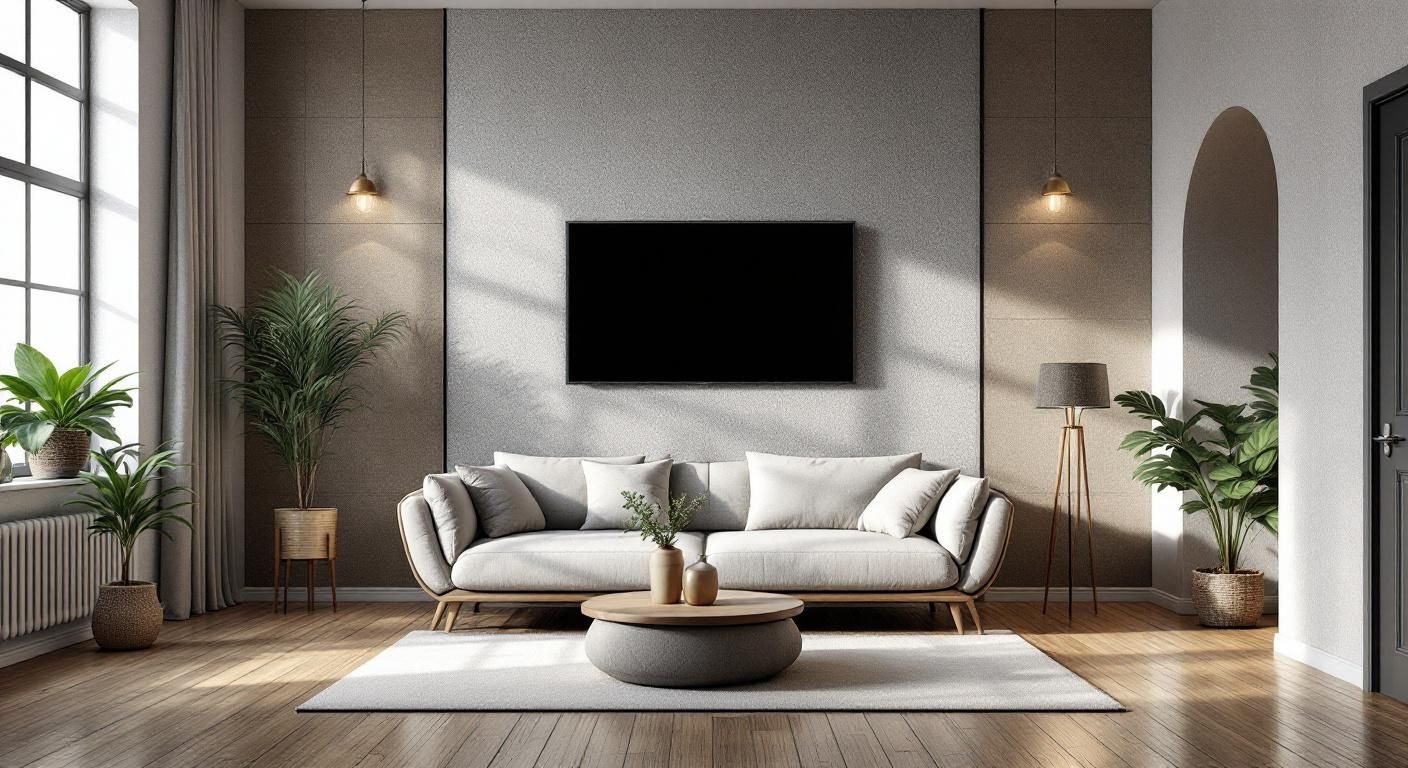
One of the most effective ways to make a small room look bigger is by maximizing light and utilizing color strategically. Bright colors can open up the space, while effective lighting can enhance the perception of size. Use light shades of paint like whites, creams, and pastels on walls and ceilings, as these reflect light and create an airy environment. Additionally, incorporating mirrors can amplify natural light and give the illusion of depth, making the room feel larger than it is.
Choosing the Right Colors
When selecting colors for your small room, opt for lighter hues which can help to visually expand the space. Soft blues, greens, and whites are particularly effective. Darker colors tend to absorb light, making a room feel enclosed. If you want to use darker accents, consider placing them on a single feature wall to maintain an open feel.
Utilizing Natural Light
Natural light is a powerful tool in creating the illusion of a larger space. Keep windows unobstructed and use sheer curtains to allow light to flow in freely. You can also place mirrors opposite windows to reflect light, creating a brighter and more spacious atmosphere.
Key Points:
- Light colors and natural light make a room feel more spacious.
- Mirrors can effectively create depth and amplify brightness.
💡 Use a monochromatic color scheme to create cohesion and minimize visual clutter.
💡 Incorporate reflective surfaces like glass or metallics to enhance light dispersion.
Smart Furniture Arrangement
Arranging furniture thoughtfully can significantly impact the perceived size of a small room. Avoid overcrowding the space with large furniture pieces; instead, choose multifunctional or smaller-scale items that can serve multiple purposes. The layout should promote flow and accessibility, allowing for easy movement. Keeping furniture away from walls can create a sense of depth, making the room feel more open.
Opting for Multi-Functional Furniture
In small spaces, multi-functional furniture can be a game-changer. Consider items that provide storage or can serve dual purposes, such as a sofa bed or an ottoman with storage. This reduces the need for additional pieces, helping to maintain a clean and spacious look.
Creating Zones with Furniture
Designate specific areas within the room using furniture placement. For example, a small rug can define a seating area. This organization not only enhances functionality but also gives the illusion of separate spaces, which can contribute to an overall feeling of spaciousness.
Key Points:
- Multi-functional furniture maximizes utility and minimizes clutter.
- Strategic furniture arrangement can create zones and enhance flow.
💡 Choose furniture with legs that allow light to flow underneath, creating an airy feel.
💡 Avoid bulky furniture; instead, go for sleek designs that enhance movement.
EXPERT TIPS Pro Advice
Use vertical space wisely
Install shelves and wall-mounted storage to draw the eye upwards, giving the illusion of taller walls and a larger room.
Keep decor minimal
Limit decorative items to a few key pieces to avoid visual clutter, which can make a space feel cramped.
Incorporate vertical stripes
Paint or wallpaper with vertical stripes to create an illusion of height, making the room feel larger.
Frequently Asked Questions
Conclusion
Making a small room look bigger involves strategic choices in color, furniture, lighting, and layout. By utilizing light hues, incorporating mirrors, and decluttering, you can create an illusion of space. Thoughtful design helps maximize the potential of any small area.
🎯 Key Takeaways:
- Use light colors to enhance brightness and space perception.
- Incorporate mirrors to create depth and reflect light.
- Choose appropriately sized and multi-functional furniture.
- Utilize vertical lines to visually heighten the room.
- Declutter to maintain an organized and open appearance.
Expert Advice: Embrace creativity in your design approach. Small rooms can be both stylish and functional with the right techniques. Focus on maximizing light and flow, and you’ll create a more inviting space.
Start implementing these tips today to transform your small room into a more spacious and enjoyable environment.