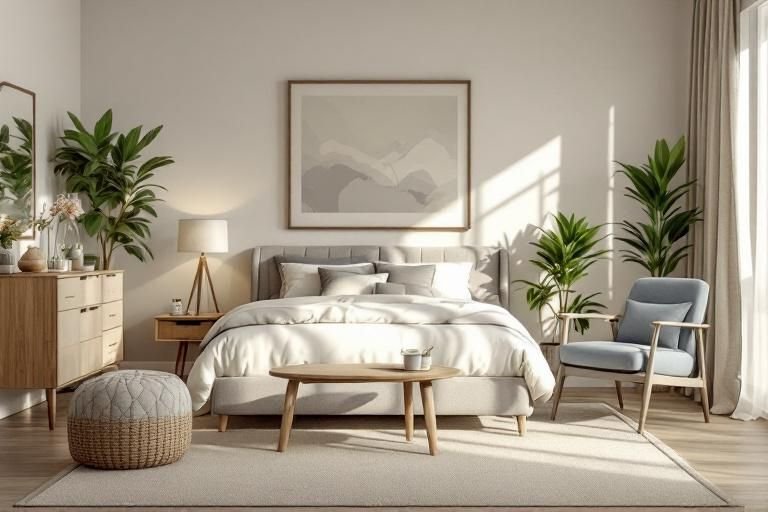
Struggling with limited space in your bedroom? You’re not alone. Many people find it challenging to create a functional and stylish environment in a small bedroom. Understanding how to arrange furniture in a small bedroom can transform your space into a cozy retreat rather than a cramped quarters. With over 15 years of experience in interior design and space optimization, I’ll guide you through practical strategies that maximize both space and comfort. In this article, you’ll discover essential tips for furniture placement, creative storage solutions, and layout ideas that enhance the flow of your room. Say goodbye to clutter and hello to a beautifully arranged small bedroom!
Understanding Space and Layout
Arranging furniture in a small bedroom requires a clear understanding of the available space and how to maximize it. Start by measuring the dimensions of the room, including any architectural features like windows and doors. This will help in planning the layout effectively. Consider the flow of movement; ensure there is enough space to navigate comfortably throughout the room. A well-planned layout not only enhances aesthetic appeal but also improves functionality, making the room feel more spacious and inviting.
Measuring Your Space
Begin by taking accurate measurements of your bedroom, including length, width, and height. Make note of any built-in furniture, windows, and doors that may affect your arrangement. Create a simple floor plan to visualize where each piece can fit, allowing for a clear understanding of the space you have to work with.
Creating a Focal Point
Identify a focal point in your bedroom, such as a bed or a window with a view. Position your furniture to enhance this focal point, drawing attention and creating a cohesive look. This strategy can make the room feel more organized and visually appealing while also improving the overall flow.
Key Points:
- Measure dimensions to understand available space.
- Establish a focal point for better arrangement.
💡 Always measure before purchasing new furniture to ensure it fits your space.
Optimizing Furniture Arrangement
Once you have a clear understanding of your space, the next step is to optimize the arrangement of your furniture. Start by prioritizing essential pieces such as the bed, which is often the largest item in the room. Consider multifunctional furniture, like a bed with storage drawers, to maximize utility without overcrowding the space. Be mindful of the arrangement’s flow; ensure you can move freely without obstruction, creating a sense of openness in your small bedroom.
Prioritizing Essential Furniture
Focus on the essential pieces that you need for functionality, like a bed, nightstand, and possibly a small dresser. Arrange these items first before adding decorative elements. This prioritization ensures that the room serves its primary purpose while still looking aesthetically pleasing.
Using Vertical Space
In small bedrooms, utilizing vertical space is crucial. Consider wall-mounted shelves or tall bookshelves to keep the floor area open. This not only provides additional storage but also draws the eye upward, making the room feel larger. It’s an effective way to keep essentials accessible without sacrificing floor space.
Key Points:
- Prioritize essential furniture for functionality.
- Utilize vertical space to maximize storage and openness.
💡 Choose furniture with legs to create a sense of openness underneath.
Maximizing Space with Strategic Layouts
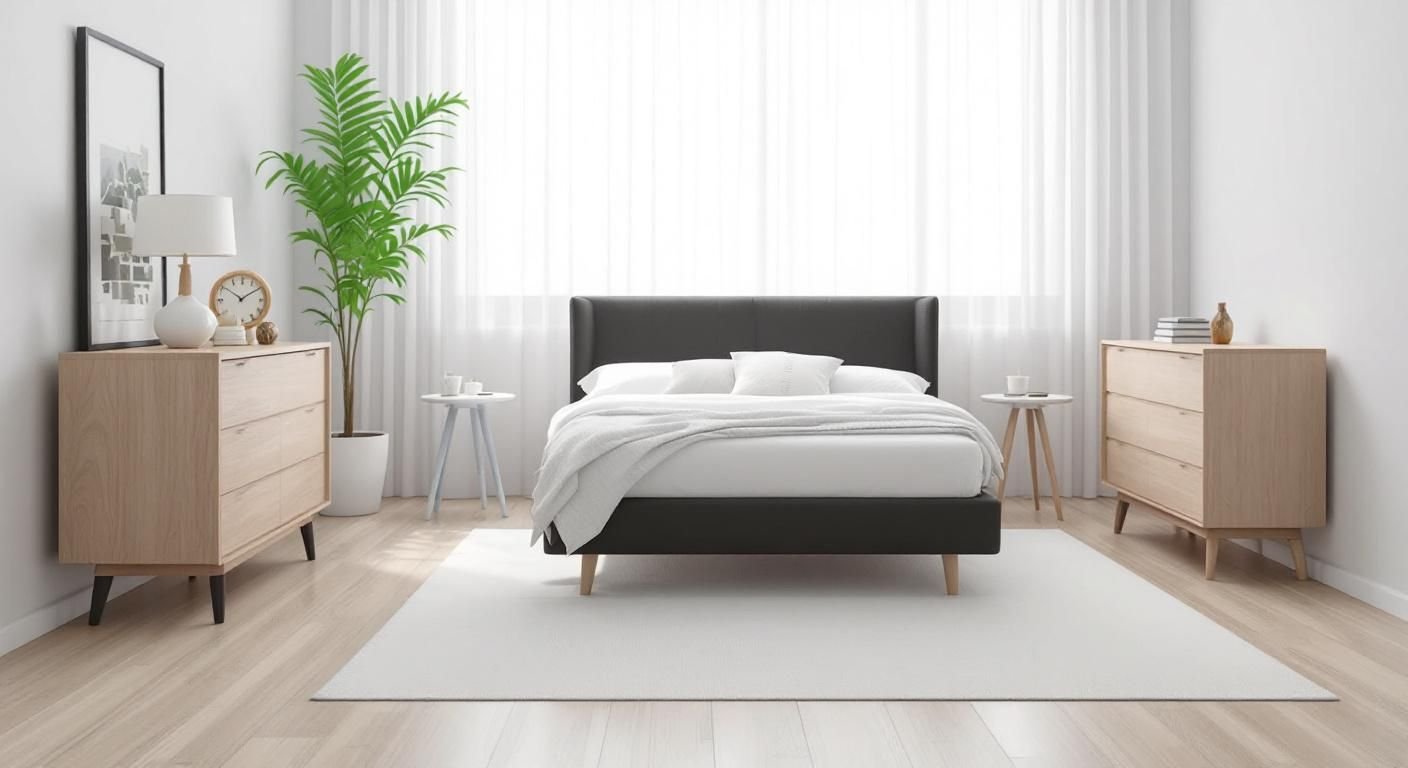
Arranging furniture in a small bedroom requires thoughtful planning to maximize space. Start by measuring the room and creating a scaled floor plan. Place larger items, like the bed, along the longest wall to create more open floor space. Consider using multi-functional furniture, such as a bed with built-in storage, which can help minimize clutter. Additionally, ensure that there is adequate space for movement; a clear path of at least 2 feet is ideal. This layout enhances both functionality and comfort, allowing the room to feel more spacious.
Choosing the Right Bed Placement
The bed is usually the focal point in a bedroom, so its placement is critical. Consider positioning the bed away from the door to create a sense of privacy and security. If possible, place it against a wall with windows to take advantage of natural light. Alternatively, a corner placement can free up more floor space for movement and additional furniture.
Utilizing Vertical Space
In small bedrooms, vertical space can be a game-changer. Use wall-mounted shelves or tall bookcases to draw the eye upward, creating an illusion of height. This not only provides storage but also keeps the floor clear. Consider hanging hooks for bags or accessories, which can further declutter surfaces.
Key Points:
- Strategic bed placement enhances room flow and comfort.
- Utilizing vertical space can significantly increase storage options.
💡 Use a floor plan app to visualize different layouts without heavy lifting, helping you find the best arrangement.
💡 Opt for a bed frame with under-bed storage to maximize space efficiency and keep items organized.
Creating Zones for Functionality
In small bedrooms, creating distinct zones can enhance functionality. Identify areas for sleeping, working, or relaxing, and arrange furniture to serve these purposes. For instance, a small desk can double as a nightstand if placed adjacent to the bed. Ensure that each zone is well-defined, using rugs or lighting to differentiate spaces. This approach not only maximizes utility but also promotes a harmonious environment, making the space feel organized and intentional.
Defining a Work Area
If your small bedroom doubles as a workspace, choose a compact desk that fits seamlessly into the room’s layout. Position it near a window for natural light, which can enhance productivity. Additionally, consider wall-mounted organizers to keep supplies within reach while minimizing desk clutter.
Incorporating Relaxation Spaces
To create a relaxation zone, add a small chair or bean bag in a corner. This can serve as a reading nook or a place to unwind. Choose lightweight furniture that can be easily moved if needed, and incorporate soft lighting to enhance the cozy atmosphere.
Key Points:
- Creating zones enhances functionality and makes the room feel organized.
- Flexible furniture choices can adapt to your changing needs.
💡 Use a small, foldable desk that can be stored away when not in use, providing flexibility in the space.
💡 Incorporate mirrors to reflect light and create the illusion of a larger space, enhancing the overall ambiance.
EXPERT TIPS Pro Advice
Consider a Murphy bed for maximum efficiency.
Murphy beds can be folded up when not in use, freeing up floor space for other activities during the day.
Use light colors for walls and furniture.
Light colors can make a small room feel larger and more open, creating a more inviting atmosphere.
Incorporate multi-purpose ottomans.
Ottomans can serve as seating, storage, or a coffee table, making them a versatile choice for small bedrooms.
Avoid overloading the room with furniture.
Less is more in small spaces; choose essential pieces to prevent a cramped feeling.
Use curtains that reach the floor.
Long curtains can create a sense of height, making the room feel more spacious.
Frequently Asked Questions
Conclusion
Arranging furniture in a small bedroom requires thoughtful planning to optimize space and functionality. Prioritize key pieces while utilizing vertical storage and minimal decor to create a comfortable and inviting environment. By strategically placing furniture, you can enhance both style and usability.
🎯 Key Takeaways:
- Prioritize functionality and flow in furniture arrangement.
- Use multifunctional and space-saving furniture.
- Position the bed against the longest wall for optimal space.
- Maximize vertical storage to utilize height effectively.
- Keep decor minimal to avoid a cluttered appearance.
Expert Advice: Focus on creating a balanced layout that enhances both comfort and accessibility. Remember, a well-arranged small bedroom can feel spacious and inviting, so take your time to experiment with different configurations until you find the ideal setup.
Start rearranging your small bedroom today and discover how simple changes can transform your space!