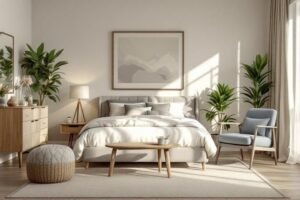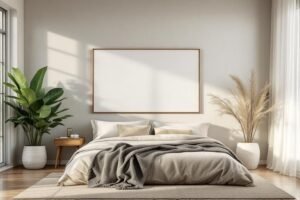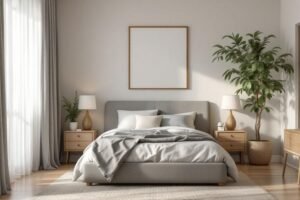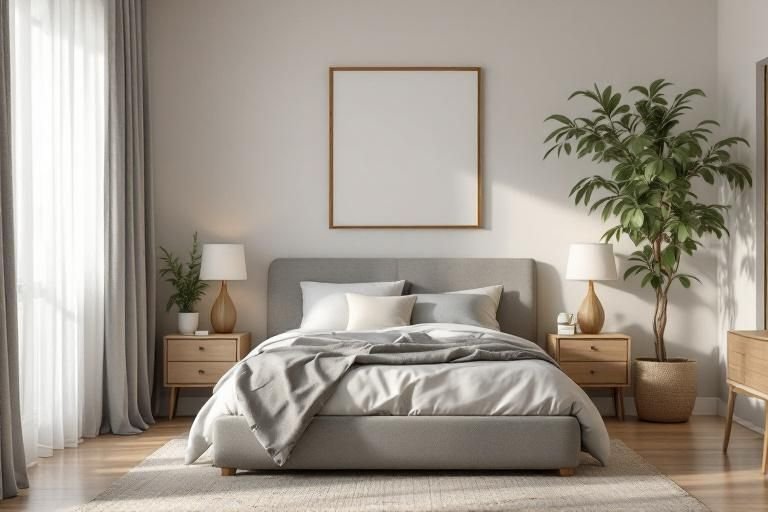
Struggling with how to decorate a small bedroom? You’re not alone. Many people face the challenge of creating a stylish and functional bedroom in limited square footage. With the right strategies, you can maximize your space and make your small bedroom feel warm and inviting. In this article, we will share expert tips and creative ideas to help you transform your compact bedroom into a beautiful retreat. From clever storage solutions to effective color schemes, our guide will equip you with the knowledge you need to make the most of your space and express your personal style.
Understanding Space and Functionality
When decorating a small bedroom, understanding the space and its functionality is crucial. Start by assessing the size and layout of the room, noting architectural features like windows and doors. This will help you determine how to arrange furniture effectively. Consider what activities will take place in the room, such as sleeping, working, or relaxing, and prioritize those needs. Creating a designated area for each function will maximize usability while maintaining a cohesive design. Additionally, consider the flow of movement within the space to ensure comfort and accessibility.
Assessing Your Space
Begin by measuring your room to get a clear idea of the available space. Sketch a floor plan, marking the locations of doors, windows, and any built-in furniture. This will serve as a guide for arranging your furniture and other elements. Be mindful of the dimensions of the pieces you plan to include, ensuring they fit comfortably without overcrowding the space.
Defining Functional Areas
Identify the primary functions of your bedroom. Will it serve solely as a sleeping area, or do you need space for a desk or reading nook? Once you know your priorities, you can create zones within the room that cater to each function. Use rugs or furniture placement to visually separate these areas, which can help organize the space without creating clutter.
Key Points:
- Assessing the room’s dimensions is essential for effective planning.
- Defining functional areas enhances usability and comfort.
Choosing the Right Color Scheme
Color plays a significant role in how a small bedroom feels. Lighter shades can make a room appear larger and more open, while darker colors may create a cozy atmosphere. Consider using a monochromatic color scheme to maintain a sense of cohesion, or incorporate pastel hues that add warmth without overwhelming the space. Additionally, think about the psychological effects of different colors; for example, blues and greens can promote relaxation, while yellows and oranges may energize the room. Be prepared to use color strategically on walls, bedding, and accessories to enhance the overall design.
Light vs. Dark Colors
Light colors, such as whites and soft pastels, reflect light and can make small spaces feel airy and expansive. Darker colors, while creating a sense of intimacy, can make a room feel smaller if overused. A balanced approach may involve light walls with darker accents to create depth without sacrificing openness.
Creating a Cohesive Palette
A cohesive color palette is vital in small rooms to avoid visual clutter. Choose a base color and build around it with complementary shades. This can include bedding, curtains, and decorative elements that harmonize with the overall scheme. Consistency in color helps unify the different components of the room, making it feel organized and spacious.
Key Points:
- Lighter colors can visually expand small spaces.
- A cohesive color palette enhances the overall design.
Maximizing Space with Smart Layouts
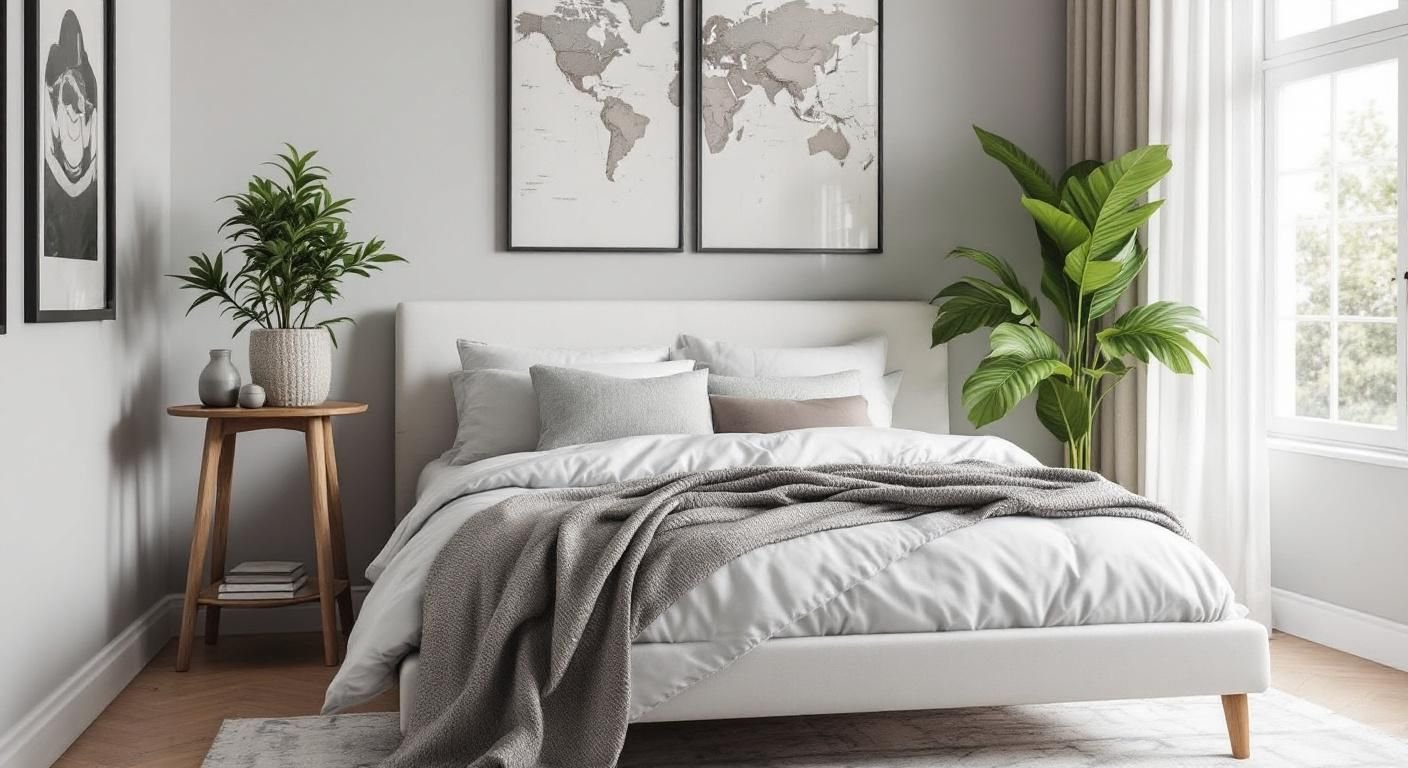
When decorating a small bedroom, the layout is crucial in maximizing the available space. Start by selecting a focal point, such as a bed or artwork, and arrange furniture around it to create a balanced look. Opt for multifunctional furniture like a bed with storage drawers or a desk that can double as a nightstand. This not only conserves space but also enhances functionality. Additionally, consider the flow of movement; ensure there’s enough room to walk around comfortably without bumping into furniture.
Choosing the Right Furniture
In a small bedroom, the choice of furniture can make or break the space. Prioritize pieces that are appropriately scaled to the room’s dimensions. Avoid oversized items and instead opt for sleek, streamlined designs. Consider vertical storage solutions, like tall bookshelves, to draw the eye upward and create an illusion of height.
Creating Zones
Defining different areas within the bedroom can help optimize its use. For instance, create a sleeping zone and a workspace by using rugs or lighting to delineate the spaces. This can make a small bedroom feel more organized and functional, allowing you to enjoy both rest and productivity without clutter.
Key Points:
- Smart layouts enhance functionality and comfort.
- Multifunctional furniture is key to maximizing space.
💡 Consider furniture with legs, as it creates an airy feel and makes the room seem larger.
💡 Use mirrors strategically to reflect light and give the illusion of a bigger space.
Color and Decor Choices for Illusion of Space
The right color palette and decor can significantly impact how spacious a small bedroom feels. Light colors, such as whites, pastels, and soft neutrals, can make a room feel airy and open. Dark colors, while rich and cozy, can close in a room if used excessively. Incorporate decor elements that reflect your style without overwhelming the space; less is often more. Additionally, using similar shades throughout the room can create a cohesive look that visually expands the area.
Utilizing Light Effectively
Natural light can make a small bedroom feel larger. Use sheer curtains to allow sunlight in while maintaining privacy. Position mirrors opposite windows to reflect light around the room, further enhancing openness. Bright, well-lit spaces feel more inviting and spacious.
Strategic Use of Decor
When selecting decor, stick to a few statement pieces rather than cluttering the walls with too many items. One large piece of art can serve as a focal point and draw attention, while smaller items can be displayed on shelves or bedside tables. This approach maintains a sense of space without sacrificing personal style.
Key Points:
- Light colors create an open atmosphere.
- Effective use of light can enhance the perception of space.
💡 Paint the ceiling a lighter color than the walls to create an illusion of height.
💡 Limit decorative objects to a few meaningful pieces to prevent visual clutter.
EXPERT TIPS Pro Advice
Incorporate Vertical Lines
Using vertical lines in decor, like tall bookshelves or striped wallpaper, can draw the eye upward, making the room feel taller and more spacious.
Choose Lightweight Fabrics
Opt for lightweight fabrics for curtains and bedding, as they create an airy feel and do not weigh down the room visually.
Keep the Floor Clear
Maintain clear floor space by using wall-mounted shelves or floating desks. This enhances the sense of space and keeps the room organized.
Use Lighting Layers
Incorporate different types of lighting—ambient, task, and accent—to create a warm, inviting space that feels larger and more dynamic.
Personalize Sparingly
While personal touches are important, choose a few impactful items to display that reflect your style without creating clutter.
Frequently Asked Questions
Conclusion
Decorating a small bedroom is all about maximizing space and light while reflecting your personal style. Use light colors, multi-functional furniture, and smart storage solutions to enhance functionality. Thoughtful decor can transform your bedroom into a cozy, stylish retreat despite its size.
🎯 Key Takeaways:
- Use light colors to create an illusion of space.
- Incorporate multi-functional and minimal furniture.
- Maximize vertical storage for organization.
- Utilize mirrors to enhance light and openness.
Expert Advice: Embrace creativity when decorating your small bedroom. Prioritize functionality while ensuring it remains a reflection of your personality. Small spaces can be just as inviting and stylish as larger ones with the right approach.
Start planning your small bedroom makeover today, and explore ideas that inspire you to create the perfect personal retreat.