Is your kitchen counter overwhelmed with clutter, making it difficult to cook or entertain? You’re not alone. Many homeowners struggle with kitchen counter organization, leading to frustration and inefficiency. With over 15 years of experience in home organization strategies, I’ve seen firsthand how a clutter-free kitchen can transform not just your space but your cooking experience. In this article, you will discover practical tips and innovative strategies on how to organize kitchen counter clutter. We’ll explore everything from decluttering techniques to essential storage solutions that maximize your countertop space. Say goodbye to chaos and hello to a beautifully organized kitchen!
Understanding Kitchen Counter Clutter
Kitchen counter clutter can quickly accumulate, leading to a disorganized and stressful cooking environment. Recognizing the types of clutter is the first step in effectively organizing your space. Common sources of clutter include kitchen gadgets, utensils, and food items that often end up scattered across the counter. By understanding the root causes of clutter, you can implement targeted strategies to reduce it. Start by assessing which items are essential for daily use and which can be stored away. This foundational knowledge will aid in creating a more functional and aesthetically pleasing kitchen.
Identifying Common Clutter Sources
To tackle kitchen counter clutter, first identify the common sources that contribute to the mess. These may include small appliances like toasters and blenders, utensils that are frequently used, and miscellaneous items like mail or bags from grocery shopping. By recognizing these sources, you can prioritize which items need a designated space and which can be removed altogether.
Assessing Essential vs. Non-essential Items
Evaluate your kitchen items by separating them into essential and non-essential categories. Essential items are those you use on a daily basis, while non-essential items can be stored elsewhere or eliminated. This assessment allows for a more streamlined approach to organization, ensuring that only the most necessary items occupy your valuable counter space.
Key Points:
- Understanding clutter sources helps in creating effective organization strategies.
- Assessing essential items is crucial to reducing clutter on kitchen counters.
Creating an Organized Kitchen Counter
Once you understand the sources of clutter, the next step is to create a plan for organizing your kitchen counter. Begin by determining zones for different activities, such as cooking, prep work, and food storage. This zoning will help you assign specific areas for essential items while keeping the space functional. Additionally, consider vertical storage solutions, like shelves or hooks, to maximize your counter space. Implementing these organizational tactics will not only declutter your kitchen but also enhance your cooking experience by making everything easily accessible.
Establishing Functional Zones
Divide your kitchen counter into functional zones based on your cooking habits. For instance, create a prep zone with cutting boards and knives, and a cooking zone with spices and oils. This organization minimizes movement and increases efficiency while cooking, allowing you to work more productively in a clutter-free environment.
Utilizing Vertical Space
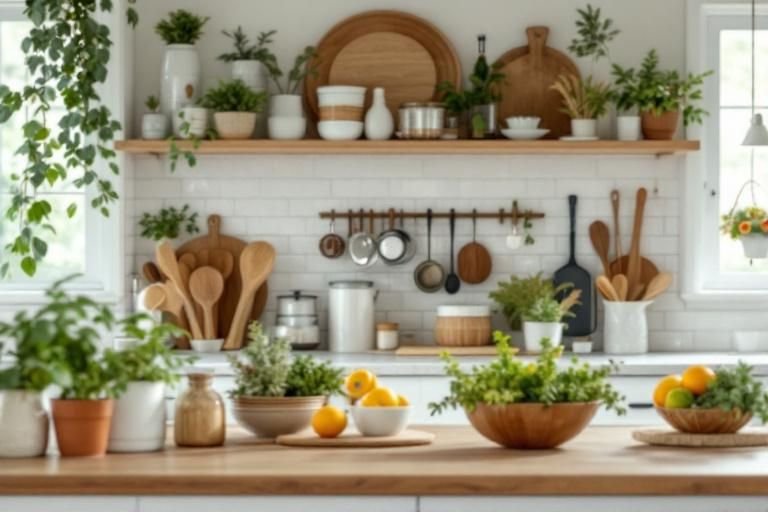
Take advantage of vertical space by incorporating shelves, pegboards, or wall-mounted racks for storing items. This strategy not only frees up counter space but also keeps frequently used items within easy reach. By elevating certain items off the counter, you create a cleaner, more organized workspace that invites creativity in meal preparation.
Key Points:
- Establishing zones increases cooking efficiency and reduces clutter.
- Using vertical space can significantly free up valuable counter area.
Assess and Prioritize Your Kitchen Counter Items
To effectively organize kitchen counter clutter, begin by assessing the items currently occupying your counter space. Take everything off the counter and categorize items into groups such as necessities, occasional use, and seldom used. Determine which items are essential for daily cooking or meal prep and which can be stored away. Prioritizing your counter items ensures that only the most important and frequently used items remain accessible, reducing clutter and enhancing functionality in your kitchen.
Categorize Your Items
Start by grouping items based on their usage frequency. Create categories like daily essentials (e.g., toaster, coffee maker), occasional tools (e.g., blender), and seldom used gadgets (e.g., ice cream maker). This visual breakdown allows you to easily identify which items can be relocated to cabinets or drawers, freeing up valuable counter space.
Evaluate Necessity vs. Clutter
Once categorized, ask yourself if each item truly serves a purpose in your daily routine. If an item hasn’t been used in the last month, consider donating or storing it elsewhere. This evaluation helps you maintain a functional workspace, focusing on tools that enhance your cooking experience rather than detracting from it with unnecessary clutter.
Key Points:
- Categorizing items helps identify what is essential.
- Evaluating necessity can drastically reduce clutter.
💡 Use the one-year rule: If you haven’t used an item in the past year, it’s likely clutter. Consider removing it from your counter.
💡 Keep surfaces clear: Aim to maintain at least 80% of your counter space free from items to create an open and inviting cooking area.
Implement Smart Storage Solutions
After assessing your kitchen counter clutter, the next step is to implement smart storage solutions that keep your space organized and functional. Utilize vertical space with shelves or wall-mounted racks and consider the use of decorative baskets or containers for storing smaller items. Incorporating these solutions not only maximizes your counter space but also adds an element of design to your kitchen, making it both practical and visually appealing.
Utilize Vertical Space
Installing shelves or using wall-mounted racks can significantly free up counter space. By moving items such as spices or cookbooks vertically, you create a more open and airy kitchen environment. This approach also allows you to keep your most-used items within easy reach without cluttering your countertops.
Incorporate Decorative Storage
Use aesthetically pleasing baskets or containers to collect smaller items like utensils or snacks. This not only keeps your counter organized but also adds a decorative touch to your kitchen. Choose containers that complement your kitchen’s decor to create a cohesive look while maintaining functionality.
Key Points:
- Vertical storage helps to maximize counter space.
- Decorative storage solutions enhance both organization and kitchen aesthetics.
💡 Consider using pull-out drawers or trays under the counter for easy access to tools while keeping the surface clear.
💡 Label containers clearly to ensure you can easily find what you need without rummaging through clutter.
EXPERT TIPS Pro Advice
Create a cleaning routine
Establish a weekly cleaning routine to reassess counter items and maintain organization, ensuring clutter doesn’t accumulate over time.
Limit countertop appliances
Restrict yourself to only one or two small appliances on the counter to keep the workspace functional and clean.
Use drawer organizers
Implement drawer organizers to keep utensils and tools separated, allowing for easy access while keeping the counter clear.
Involve family members
Engage all family members in the organization process to ensure everyone understands the system and contributes to maintaining it.
Regularly reassess your setup
Periodically evaluate your kitchen organization to adapt to changing needs and prevent clutter from building up again.
Frequently Asked Questions
Conclusion
Organizing kitchen counter clutter is essential for a functional and inviting space. Start by decluttering, maintaining daily cleaning routines, and utilizing vertical storage options. Designate appliance spaces and periodically reassess your organization to adapt to changes in your kitchen activities.
🎯 Key Takeaways:
- Declutter regularly to maintain a tidy counter.
- Use vertical space for efficient organization.
- Limit appliances on the counter to essentials.
- Establish a daily cleaning routine for upkeep.
- Reassess your counter organization every few months.
Expert Advice: Stay committed to your organization strategies and adapt as needed. A well-organized kitchen counter can enhance your cooking experience and overall kitchen ambiance.
Take a moment today to start decluttering your kitchen counter and enjoy the benefits of a more organized space.