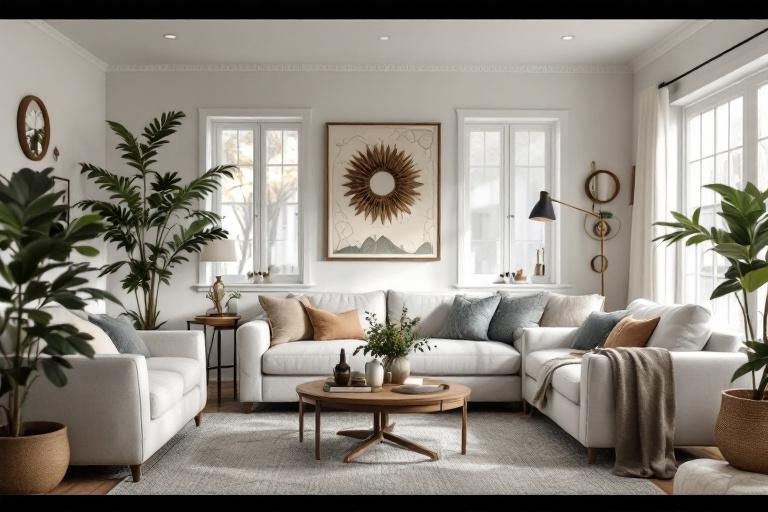
Are you struggling to make your small living room feel stylish and inviting without breaking the bank? You’re not alone. Many homeowners face the challenge of maximizing space in a compact area while also keeping costs low. In this article, we will explore effective strategies on how to decorate a small living room on a budget, ensuring that you can create a beautiful and functional space without spending a fortune. With over 15 years of experience in home decor and design, we will share insights that not only save you money but also enhance your living environment. From clever furniture arrangements to inexpensive decor hacks, get ready to transform your small living room into a cozy haven.
Understanding the Challenges of Small Living Rooms
Decorating a small living room on a budget can be challenging but also rewarding. The key is to maximize space while creating a cozy atmosphere. Small living rooms often lack natural light and can feel cramped. Understanding these challenges helps you make informed design choices. Prioritizing functionality and aesthetics is essential. Emphasize versatile furniture that serves multiple purposes, like a coffee table with storage. The right color palette can also make a significant difference. Lighter colors tend to open up a space, while darker hues can make it feel smaller. With careful planning, you can achieve a stylish look without overspending.
Identifying Your Space Constraints
Before decorating, assess your living room’s layout and dimensions. Take note of any architectural features like windows or built-ins, as these can influence your design decisions. Measure key areas to understand where furniture can fit without obstructing movement. Consider creating zones for different activities, such as lounging or working, to enhance functionality. By identifying these constraints, you can create a more organized and visually appealing space.
Establishing a Budget
Setting a budget is crucial when decorating a small living room. Enumerate all potential expenses, including furniture, decor, and materials. Allocate funds according to priority items, ensuring that essential pieces are funded first. Remember to leave a small buffer for unexpected expenses. By establishing a clear budget upfront, you can avoid overspending and make more strategic choices that align with your overall vision.
Key Points:
- Maximize functionality with versatile furniture
- Use lighter colors to create the illusion of space
Choosing the Right Design Elements
When decorating a small living room on a budget, selecting the right design elements is crucial. Focus on items that enhance both style and space efficiency. Start with furniture that is appropriately scaled for a smaller area. Avoid oversized pieces that can overwhelm the space. Layering textures and materials can add depth without needing to fill the room with more items. Incorporating mirrors can also enhance light and create a sense of openness. Consider DIY projects for custom touches that reflect your personality while saving money.
Furniture Selection
Select furniture that is compact yet functional. Look for options like a sectional sofa that fits snugly in a corner or a slim console that can double as a workspace. Opt for multi-functional pieces, such as ottomans that can serve as storage or extra seating. Prioritize quality over quantity; fewer, well-chosen pieces can make a more significant impact than a cluttered layout.
Decorative Accents
Decorative accents are essential for adding personality to your space. Use wall art, throw pillows, and rugs to inject color and texture. Choose a few statement pieces rather than many small items to avoid visual clutter. Plants can also breathe life into a small living room, making it feel fresh and inviting. Utilize vertical space with wall-mounted shelves for both decor and storage, freeing up floor space.
Key Points:
- Select compact, multi-functional furniture
- Use decorative accents to add personality without clutter
Maximizing Space with Smart Layouts
Creating an inviting atmosphere in a small living room often starts with an effective layout. Begin by measuring your space and sketching a floor plan to visualize where each piece of furniture will go. Aim for a layout that encourages flow and conversation. Consider using multifunctional furniture, such as a sofa bed or an ottoman with storage, to optimize space. Place larger pieces against walls to open up the center of the room, making it feel more spacious. Finally, keep pathways clear to avoid a cluttered appearance.
Utilizing Vertical Space
In small living rooms, vertical space is often underutilized. Use tall bookshelves or wall-mounted shelves to draw the eye upward, creating the illusion of higher ceilings. Hang artwork or mirrors at eye level to enhance the sense of space. Additionally, consider floor-to-ceiling curtains, which can make windows appear larger and rooms feel taller. This approach not only adds visual interest but also maximizes the available area.
Creating Zones
Dividing a small living room into functional zones can enhance its usability. Use area rugs to define different spaces, such as a reading nook or a conversation area. This strategy not only organizes the room but also makes it feel more expansive. Incorporate furniture arrangements that promote interaction, such as placing chairs at angles instead of directly facing each other, fostering a cozy yet spacious atmosphere.
Key Points:
- Effective layout is crucial for small spaces.
- Vertical space can dramatically enhance the perception of size.
💡 Choose lightweight furniture that can be easily rearranged to adjust the room’s layout.
💡 Keep decor minimal to avoid visual clutter, focusing on a few statement pieces instead.
Incorporating Color and Textures on a Budget
Color and texture play significant roles in transforming a small living room. Start with a light color palette to make the space feel airy and open. Soft whites, light pastels, or muted shades can reflect light and add depth. To add visual interest, incorporate various textures through throws, cushions, and rugs. Mix materials like wood, fabric, and metal to create a layered look without overwhelming the space. Remember to use paint creatively; a bold accent wall can become a focal point while remaining cost-effective.
DIY Decor Ideas
Embrace DIY projects to create unique decor that reflects your style without breaking the bank. Consider crafting your own wall art, repurposing old furniture with a fresh coat of paint, or creating homemade cushions with fabric remnants. These projects can be both fun and fulfilling while adding a personal touch to your living room. Additionally, thrift stores and garage sales can be treasure troves for affordable materials and decor elements.
Strategic Use of Accessories
Accessories can dramatically change the feel of a space without a heavy investment. Use throw pillows, blankets, and decorative items to add color and warmth. Be mindful of scale; choose larger accessories for impact rather than many small items that can clutter. Incorporate plants to bring life and freshness into your living room. Even inexpensive houseplants can enhance aesthetics and improve air quality.
Key Points:
- Light colors make small spaces feel larger.
- DIY projects can personalize your space affordably.
💡 Test paint colors on a small wall section before committing to ensure they complement your space.
💡 Layer different textures to create a more inviting atmosphere without requiring a full redesign.
EXPERT TIPS Pro Advice
Use mirrors to enhance light and space.
Mirrors reflect light and give the illusion of a larger area, making them an effective tool in small living rooms.
Choose furniture with exposed legs.
Furniture that sits on legs creates a sense of openness and airiness, allowing for more visible floor space.
Incorporate multifunctional items.
Items like nesting tables or storage benches can serve multiple purposes, maximizing both function and style.
Limit patterns to one or two areas.
Too many patterns can overwhelm a small space; select one or two areas to showcase patterns for aesthetic balance.
Regularly declutter to maintain space.
Periodically removing unnecessary items keeps the room feeling open and functional, preserving its inviting atmosphere.
Frequently Asked Questions
Conclusion
Decorating a small living room on a budget requires creativity and smart choices. Focus on multifunctional furniture, use light colors, and incorporate personal DIY projects. Effective lighting and wall art can significantly enhance the space without high costs, making it feel larger and more inviting.
🎯 Key Takeaways:
- Utilize multifunctional furniture for efficiency.
- Incorporate light colors to create an illusion of space.
- Use wall art to add personality and depth.
- Layer lighting for a warm atmosphere.
- DIY decor can personalize your space affordably.
Expert Advice: Embrace creativity and resourcefulness to transform your small living room. Explore various design ideas and don’t hesitate to experiment with different layouts and DIY projects to find what works best for you.
Start planning your small living room makeover today by sketching out ideas and identifying the decor elements that speak to you!