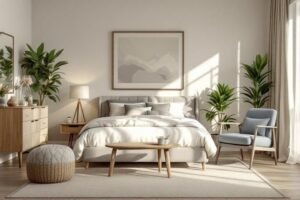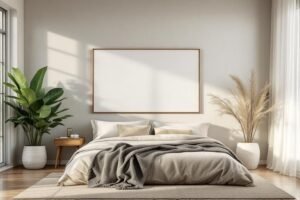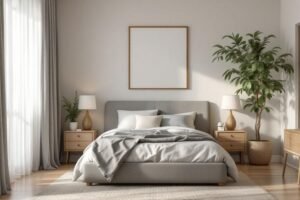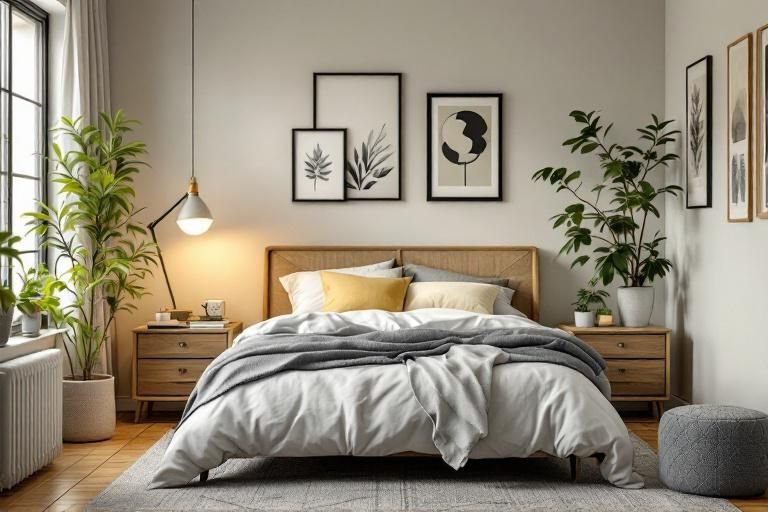
Are you struggling to make the most of your small bedroom? You’re not alone. Many homeowners face the challenge of creating a stylish yet functional space in limited square footage. In this article, we’ll explore practical and creative solutions for how to decorate a small bedroom, ensuring that every inch counts. With over 15 years of experience in interior design and space optimization, I will guide you through expert tips that not only enhance the visual appeal of your room but also improve its functionality. From clever storage solutions to color schemes that create an illusion of space, you’ll discover the essential strategies to transform your small bedroom into a cozy retreat. Let’s delve into the world of small bedroom decor and unlock the potential of your space.
Understanding the Challenges of Small Bedrooms
Decorating a small bedroom comes with unique challenges. The limited space can make it difficult to incorporate all desired elements while maintaining functionality and style. Understanding these challenges is the first step towards effective decoration. Prioritize essential furniture and consider multifunctional pieces to maximize efficiency. Additionally, consider the overall layout and flow of the room, as this can significantly impact how spacious it feels. By recognizing these challenges, you can create a more cohesive design that meets both aesthetic and practical needs.
Common Spatial Constraints
Small bedrooms often face constraints like limited square footage, awkward shapes, or low ceilings. These factors can influence your choice of furniture and layout. Assess your space carefully, measuring each area to identify how best to utilize it without overcrowding. This awareness empowers you to make strategic decisions about what to include.
Functionality vs. Aesthetics
In small bedrooms, striking a balance between functionality and aesthetics is vital. Functionality ensures that the room serves its primary purpose, while aesthetics contribute to the overall feel. Focus on multifunctional furniture, like a bed with storage underneath, to blend both elements effectively. Remember, a well-designed small bedroom can be both beautiful and practical.
Key Points:
- Prioritize essential furniture to maximize space
- Balance functionality and aesthetics for better design
Design Principles for Small Bedrooms
Applying effective design principles can transform a small bedroom into a cozy, stylish retreat. Start by choosing a light color palette, which can create an illusion of spaciousness. Incorporate mirrors to reflect light and make the room appear larger. Additionally, consider vertical storage solutions, such as shelves and tall cabinets, to utilize wall space efficiently. These principles help streamline the design process and can greatly enhance the ambiance of the room.
Color Schemes and Illusions
Light colors can make a small bedroom feel more open and airy. Consider using soft whites, pastels, or light grays for walls and larger furniture pieces. If you prefer darker shades, use them as accents to avoid overwhelming the space. The right color scheme can dramatically influence how spacious the room feels.
Maximizing Vertical Space
Utilizing vertical space is crucial in small bedrooms. Install shelves or wall-mounted storage units to keep the floor clear. Tall furniture can draw the eye upward, enhancing the sense of height in the room. Avoid cluttering surfaces; instead, create a streamlined look with strategically placed decor items.
Key Points:
- Use light colors to create a spacious feel
- Incorporate vertical storage to maximize space
Maximizing Space with Smart Layouts
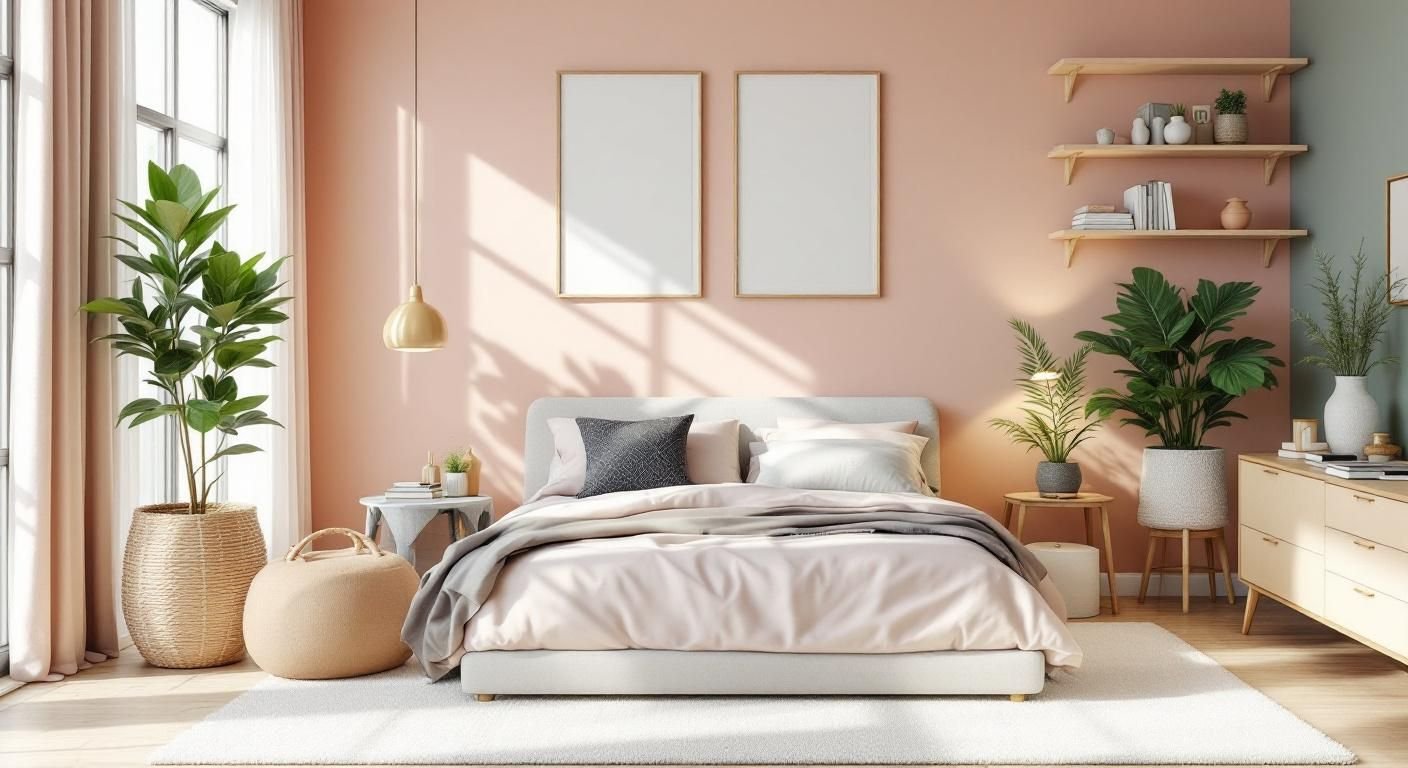
When decorating a small bedroom, the layout is crucial for maximizing space. Start by placing your bed against the longest wall to create a focal point and allow for better flow. Consider using a corner bed arrangement to free up more space. Ensure pathways are clear to enhance movement within the room. Utilize vertical space by opting for tall bookshelves or wall-mounted shelves, which draw the eye upward and create the illusion of height. Lastly, consider the placement of windows and natural light; positioning mirrors strategically can reflect light and make the room feel larger.
Choosing the Right Furniture
Select multifunctional furniture to enhance usability without crowding the space. For example, consider a bed with built-in storage drawers or a nightstand that doubles as a desk. This not only saves space but also reduces clutter. Opt for lightweight, smaller-scaled pieces that are easy to move and rearrange, giving you flexibility in your layout.
Creating Zones in the Room
Defining specific areas within a small bedroom can enhance functionality. Use rugs to demarcate sleeping and working areas. If space allows, a small chair or reading nook can provide a cozy retreat. These zones help to organize the room better and improve the overall aesthetic without making the space feel cramped.
💡 Position your bed to maximize natural light
💡 Use mirrors to create an illusion of depth
Color and Decor Choices for Small Spaces
Color plays a significant role in how spacious a room feels. Lighter colors tend to reflect more light, making the room appear larger. Consider a monochromatic color scheme with varying shades of the same color to create depth while maintaining a cohesive look. Additionally, incorporate decor that draws the eye upward, such as tall artwork or vertical stripes, which can enhance the perception of height. When selecting accessories, keep them minimal yet impactful; fewer items can avoid clutter and create a more open feel.
Effective Use of Lighting
Lighting can dramatically change the ambiance of a small bedroom. Combine ambient lighting with task and accent lighting to create a warm, inviting space. Consider wall-mounted fixtures to save on surface area, and use soft white bulbs to provide a cozy glow. Dimmers can also add flexibility to the lighting scheme, allowing you to adjust the brightness according to your mood.
Accessorizing Wisely
While accessories can personalize a space, too many can overwhelm a small bedroom. Choose a few statement pieces that reflect your style, such as a bold piece of artwork or a unique vase. Ensure that accessories are proportionate to the space; oversized items can dominate the room and make it feel smaller. Aim for a curated look by regularly rotating accessories to keep the space fresh.
💡 Use light colors to enhance spaciousness
💡 Incorporate vertical decor to draw the eye upward
EXPERT TIPS Pro Advice
Choose a focal point for the room
A focal point, like a striking piece of art or a unique headboard, draws the eye and creates a sense of order, making the space feel more intentional.
Avoid heavy drapery
Light, airy curtains allow natural light to flow in, making the room feel larger and more inviting. Opt for sheer materials for a breezy effect.
Incorporate hidden storage solutions
Using storage ottomans or under-bed containers helps keep the space tidy and maximizes function without sacrificing style.
Limit the color palette
A limited color palette creates a cohesive look, which can make the room feel more spacious and organized.
Regularly declutter your space
Keeping surfaces clear and only displaying items that bring you joy helps maintain a sense of calm and order in a small bedroom.
Frequently Asked Questions
Conclusion
Decorating a small bedroom requires strategic choices to maximize space while maintaining style. Use light colors, multifunctional furniture, and mirrors to create an illusion of space. Layered lighting and careful furniture arrangement enhance functionality and aesthetics, making the room feel inviting.
🎯 Key Takeaways:
- Opt for light color schemes to create openness.
- Utilize multifunctional furniture to save space.
- Incorporate mirrors to enhance the sense of space.
- Layer lighting for a cozy and functional atmosphere.
Expert Advice: Focus on a few key decorative elements that resonate with your style and keep the room clutter-free. Prioritize functionality without sacrificing aesthetics to create a harmonious living space.
Start planning your small bedroom makeover today by evaluating your current layout and considering these tips!